
 Ear
Ear Nasal
Nasal Throat
What does the speciality treat
- Diseases of the ear. You may need to see an ear, nose, and throat doctor if you have an ear disorder or condition, such as a hearing loss, ear infections, disorders that affect balance, tinnitus (ringing in the ears), or pain in your ear. ENT specialists can also treat congenital disorders of the ear (disorders you were born with).
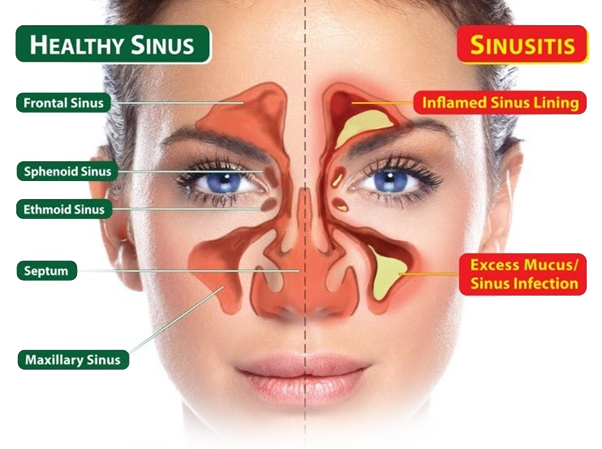
- Diseases of the nose: ENT specialists often manage and treat problems that affect the nose, nasal cavity, and sinuses. Nasal & Sinus Allergies Nasal Polyps, Nose Bleeds. These problems can affect smell, breathing, and physical appearance.
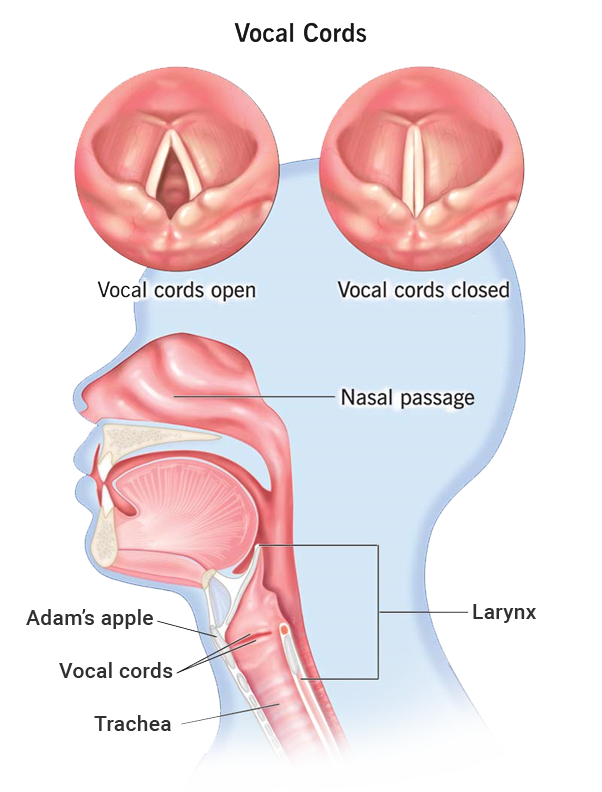
- Diseases of the throat. Disorders and conditions that affect the throat can affect speech, singing, eating, swallowing, and digestion. ENT specialists can diagnose, manage, and treat these problems.
Here are some ENT common surgeries
- Ear: Ear Microsurgery, Tympanoplasty, Mastoidectomy
- Nose: Sinus and Nasal Endoscopic procedures, Septoplasty.
- Throat: Tonsillectomy, Adenoidectomy.
What are some Common Symptoms treated for?
- Ear Discharge
- Foreign body in Ear, Nose, Throat
- Earache
- Pain in your ears, nose, or throat
- Hearing Loss
- Tinnitus
- Giddiness
- Sinusitis
- Loss of Smell
- Headaches
- Difficulty in swallowing
- Voice Disorders
- Snoring & Sleep Disorders
- Sore throat
- Hoarseness
- Deviated septum
- Vertigo
Hearing test Center
Pure- Tone Audiometry
is the main hearing test used to identify hearing threshold levels of an individual, enabling determination of the degree, type and configuration of a hearing loss and thus providing a basis for diagnosis and management.
Hearing aids
How do hearing aids work?
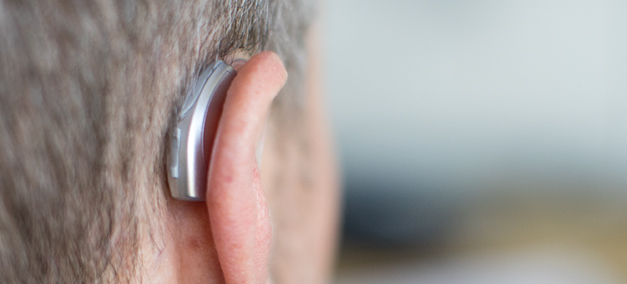
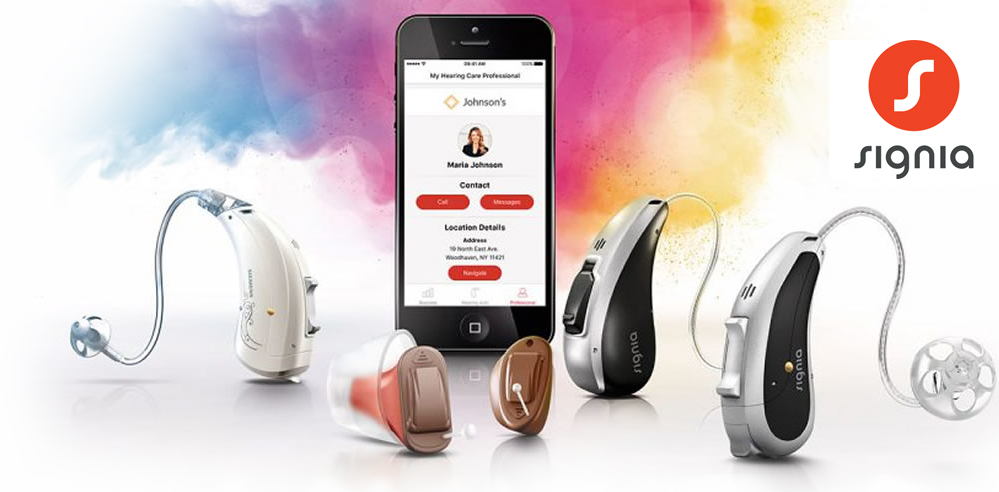
Hearing aids are small electronic devices that can be highly customized to address different types of hearing loss. All digital hearing aids contain at least one microphone to pick up sound, a computer chip that amplifies and processes sound, a speaker that sends the signal to your ear and a battery for power.
Premium hearing devices provide additional features, such as custom sound settings and self-adjustable settings. OTC hearing aids, meanwhile, are not as customizable, and for this reason, not everyone is a good candidate for OTC.
Do I need hearing aids?
Hearing aids are typically recommended if your hearing test results show hearing loss on an audiogram.
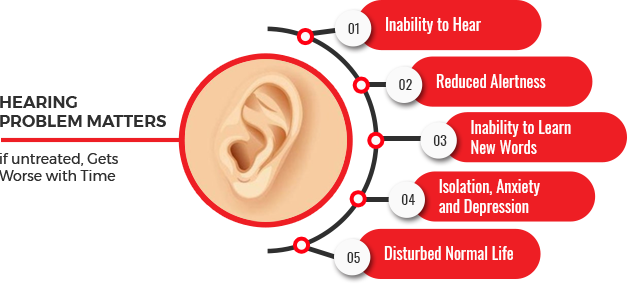
Anyone who suspects they have hearing loss should receive testing and treatment. Hearing loss is not just bad for communication, it's also bad for your health. People with untreated hearing loss have higher levels of brain atrophy and auditory deprivation.
How do they help with hearing?
Hearing aids are custom-programmed to address your unique pattern of hearing loss. They are most often prescribed for people who have a type of hearing loss known as "sensorineural," meaning that some of the tiny hair cells of the inner ear are damaged. The surviving healthy hair cells pick up the sound delivered by the hearing aid and send them as neural signals to the brain via the auditory nerve. For people with mild-to-moderate hearing loss, standard hearing aids work best. "Power" models are often used for people who have severe-to-profound hearing loss as the technology can provide more power to treat a severe hearing loss.
What do I need to know before buying a hearing aid?
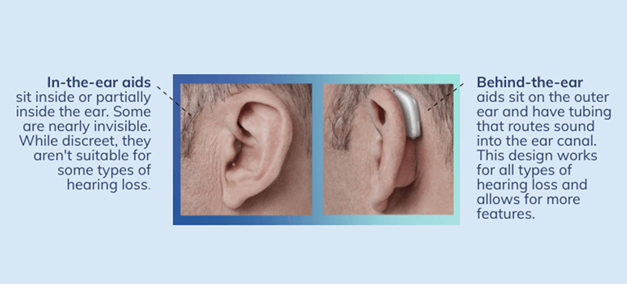
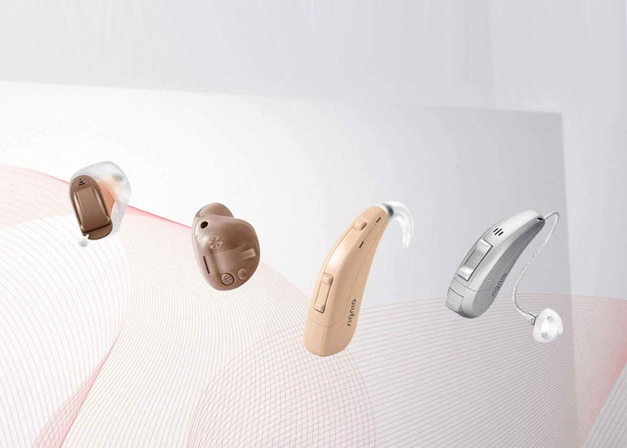
Hearing aids can be classified into two main groups: in-the-ear (ITE) styles and behind-the-ear (BTE) styles.
Our guide to hearing aid types and styles discusses many options available to you. Sizes range from virtually invisible to filling the entire bowl of the ear. Your hearing care professional will be a vital asset in helping you pick the best style for you. You might also find it helpful to review the basic parts of a hearing aid.
Hearing aid technology
Many of the hearing aids produced today use telecoils and even advanced technology like artificial intelligence. Telecoils improve hearing in public settings, such as theaters and airports. Meanwhile, wireless technology allows two hearing aids (one on each ear) to communicate with each other and essentially operate together as one complete hearing system. It also means hearing aids can connect to external sources of sound that are transmitted wirelessly, such as via Bluetooth.
Even better? Many manufacturers now make accompanying hearing aid apps that give users added control over their devices.
Hearing aid fitting
Once a hearing healthcare professional recommends hearing aids for you, a number of factors will be considered when selecting and fitting a device. The best fit for you will depend not only on the severity and type of hearing loss you have but also your budget, cosmetic preferences, career demands and other concerns. Your provider will likely perform real ear measurement to verify the amplification levels.
Because hearing aids are personalized, not every brand, style or technology level of hearing aid is suited for everyone. Even two people with the same hearing loss may end up with different hearing aids based on other selection criteria. This can make comparing hearing aids difficult. It’s best to talk to your hearing healthcare provider about what options and features are ideal for you.
Signia
Signia is one of the largest hearing aid brands in the world. Signia hearing aids are manufactured by WS Audiology, the same parent company that manufactures Widex and Miracle Ear hearing aids. Prior to being purchased by Sivantos in 2015, and merged into WS Audiology in 2019, Signia hearing aids were manufactured under the Siemens brand name.
Nasal Endoscopy
Endoscopy is a diagnostic medical procedure that’s minimally invasive.
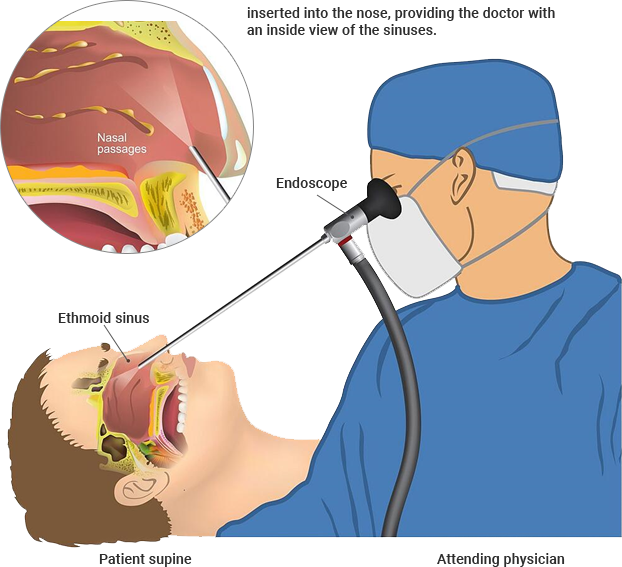
Nasal endoscopy, also referred to as Rhinoscopy, is typically performed in an otolaryngologist's or ear, nose, and throat office where they have a direct, high-quality and magnified vision as they evaluate your sinus and nasal passages.
A nasal endoscope is an instrument that consists of a rigid, thin tube with fiber-optic cables. It connects to a video camera and light source where magnified images project onto a screen. The otolaryngologist then captures and records the endoscopic images to document for each patient. During a nasal endoscopy procedure, the ear, nose and throat physician inserts the instrument into your nose and guides it through your sinus and nasal passages as they view the images of the area they're examining. The procedure helps with diagnosing and treating different health conditions. Sometimes, the physician may use small tools to perform certain tasks like gathering tiny tissue samples.
Indications for a Nasal endoscopy
Nasal endoscopy indications may include:
- Identifying disease in patients who are suffering from sinonasal symptoms, like facial pressure or pain, mucopurulent drainage, decreased sense of smell or nasal congestion or obstruction.
- Evaluating unilateral disease.
- Evaluating the medical treatment response in patients such as purulent secretions, inflammation and mucosal edema or resolution of polyps after treatment with antibiotics, antihistamines, oral steroids or topical nasal steroids.
- Evaluating patients with impending complications or complications of sinusitis.
- Debridging and removing mucus, crust and fibrin from blocked sinus and nasal cavities following functional endoscopic sinus surgery.
- Obtaining a purulent secretion culture.
- Evaluating potential pathology recurrence after functional endoscopic sinus surgery (FESS).
- Evaluating the nasopharynx for Eustachian tube problems, lymphoid hyperplasia and nasal blockage.
- Evaluating and taking a biopsy of nasal lesions or masses.
- Evaluating anosmia or hyposmia.
- Evaluating cerebrospinal fluid leak (CSF).
- Evaluating and treating nasal foreign bodies.
- Evaluating and treating epistaxis.
Findings of a study show office-based biopsy and nasal endoscopy are an important and safe diagnostic tool to evaluate sinonasal neoplasms. This procedure is normally safe and gives physicians the diagnostic information they require to make changes to treatment decisions, if needed. Procedure limitations do exist, generally accuracy-related.
Throat Endoscopy
Throat endoscopy, also known as laryngoscopy or pharyngoscopy, is a medical procedure used to examine the throat, larynx (voice box), and surrounding structures. It involves the use of a flexible or rigid endoscope, which is a thin, tube-like instrument with a light and a camera on the end.
Indications for a Throat Endoscopy
Laryngoscopy may be indicated for the evaluation of patients with the following:
- Chronic cough
- Chronic throat pain
- Dysphagia
- Dysphonia
- Foreign body in the throat
- Hoarseness or change in voice
- Odynophagia
- Sensation of a lump in the throat
- Symptoms of aspiration
- Sometimes hemoptysis
In particular, patients at high risk of head and neck cancer (eg, heavy smokers or alcohol users) may benefit from laryngoscopy, especially if they have had hoarseness, sore throat, or ear pain for 2 weeks. Laryngoscopy can also be useful to evaluate the airway prior to orotracheal intubation. Urgent laryngoscopy may be indicated in patients with angioedema, stridor, epistaxis, and/or craniofacial trauma. Flexible laryngoscopy can be tried for patients who do not tolerate direct laryngoscopy.
Contraindications
Absolute contraindications
- Suspected epiglottitis
Relative contraindications
- Stridor
- Angioedema
- Active epistaxis or an uncontrolled bleeding disorder
In patients with stridor or angioedema, stimulation of the laryngopharynx may further compromise the airway. If laryngoscopy is essential, it should be done in the controlled setting of an operating room with a person skilled at difficult airway management (including surgical techniques) present.